
 EN
EN
 AR
AR
 BG
BG
 HR
HR
 CS
CS
 DA
DA
 NL
NL
 FI
FI
 FR
FR
 DE
DE
 EL
EL
 HI
HI
 IT
IT
 JA
JA
 KO
KO
 NO
NO
 PL
PL
 PT
PT
 RO
RO
 RU
RU
 ES
ES
 SV
SV
 TL
TL
 ID
ID
 LT
LT
 SK
SK
 UK
UK
 VI
VI
 SQ
SQ
 GL
GL
 HU
HU
 TH
TH
 TR
TR
 FA
FA
 MS
MS
 GA
GA
 IS
IS
 MK
MK
 EU
EU
 KA
KA
Essential Connectors for Building Sturdy Truss Setups
Understanding Truss Connectors and Their Importance
Role in Structural Integrity
Truss connectors play a vital role in any truss system since they help maintain structural integrity and keep things stable. When installed correctly, these connectors spread out the forces across the whole structure, which cuts down on the chance of collapse when dealing with different types of weight and stress. The American Institute of Steel Construction points out something important here: how we design and position these connectors matters a lot because they actually determine whether a structure will stand up to what it needs to handle. Looking at this from an engineering standpoint, getting the details right about connector placement isn't just good practice—it's absolutely necessary for making sure buildings and bridges stay safe over time.
Load Distribution Mechanisms
Truss connectors are really important when it comes to how loads get distributed throughout a building structure. They basically allow forces to move around and balance themselves between all the different parts of the framework. When engineers grasp this concept properly, they end up creating truss systems that simply work better and last longer without failing unexpectedly. We've seen plenty of cases where bad load management leads to serious problems down the road, sometimes even causing whole sections of buildings to collapse under stress. That's why picking the right kind of truss connector matters so much for any construction project worth its salt. Getting this right means the difference between a sturdy, long lasting structure and one that might need costly repairs or replacements sooner than expected.
Impact on Long-Term Durability
Truss connectors play a major role in how long buildings and other structures last over time. When builders pick quality materials and install them correctly from day one, they actually cut down on damage over the years, which means these structures stay strong and reliable much longer. Studies from engineering firms show that checking truss connectors regularly and doing maintenance work when needed can extend their useful life by several years. The benefits go beyond just keeping things standing though. Taking care of truss systems this way saves money in the long run too, since repairs become less frequent and less expensive. For property owners looking at lifetime costs rather than initial expenses, investing in proper connector maintenance turns out to be money well spent for both safety and economics.
Fence Pipe Connectors for Modular Designs
Fence pipe connectors really make building modular fences much easier because they're so flexible and simple to put together. They work great for all sorts of fencing needs, whether it's something temporary like a construction site barrier or a permanent property boundary. The connections hold up well and keep the whole fence standing straight without wobbling around. Contractors love these connectors since they save tons of time during installation and cut down on what people have to pay for labor. Anyone who has worked on fence installations knows how frustrating it can be when parts don't fit right or take forever to assemble. With these connectors, workers can adjust sections quickly if needed and even take things apart and move them somewhere else later on. That kind of flexibility makes all the difference on jobs where conditions change unexpectedly or when space limitations come into play.
Steel Tubing Connectors for Heavy-Duty Support
Steel tubing connectors really shine when building industrial and commercial buildings that need to handle serious weight. These connectors are built tough so whatever gets supported stays strong against all sorts of pressure and wear over time. According to findings from structural engineers across the country, good quality steel connectors actually boost safety margins for big load bearing systems, which stops problems before they start with weight distribution. That's why construction professionals keep coming back to steel tubing solutions whenever projects involve critical infrastructure where failure just isn't an option.
Specialized Options for Roof and Stage Trusses
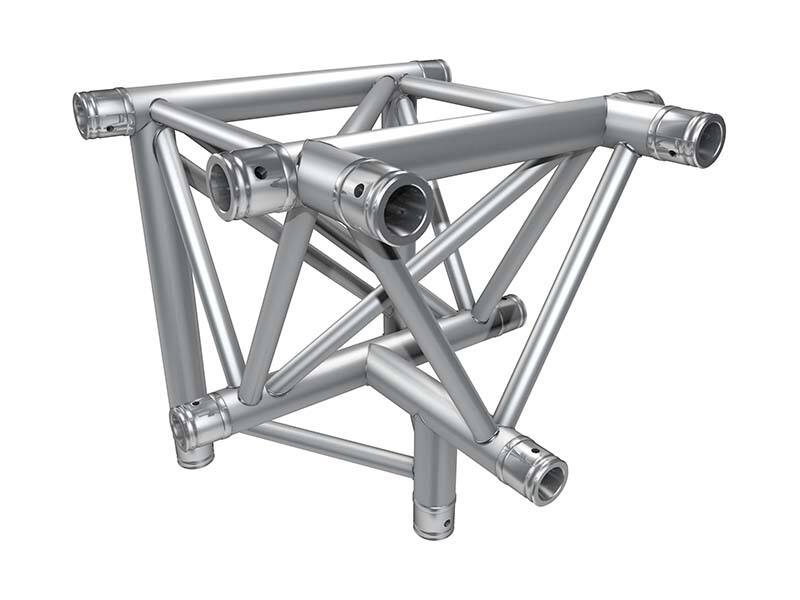
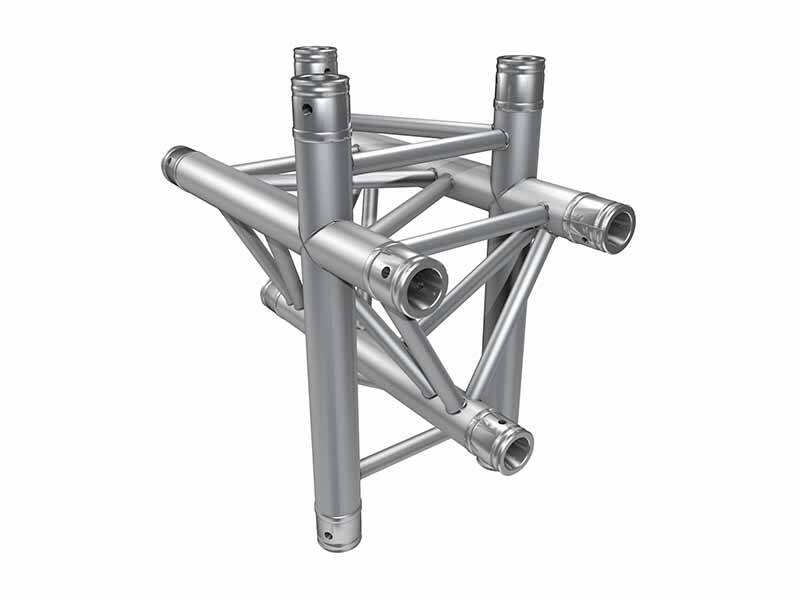
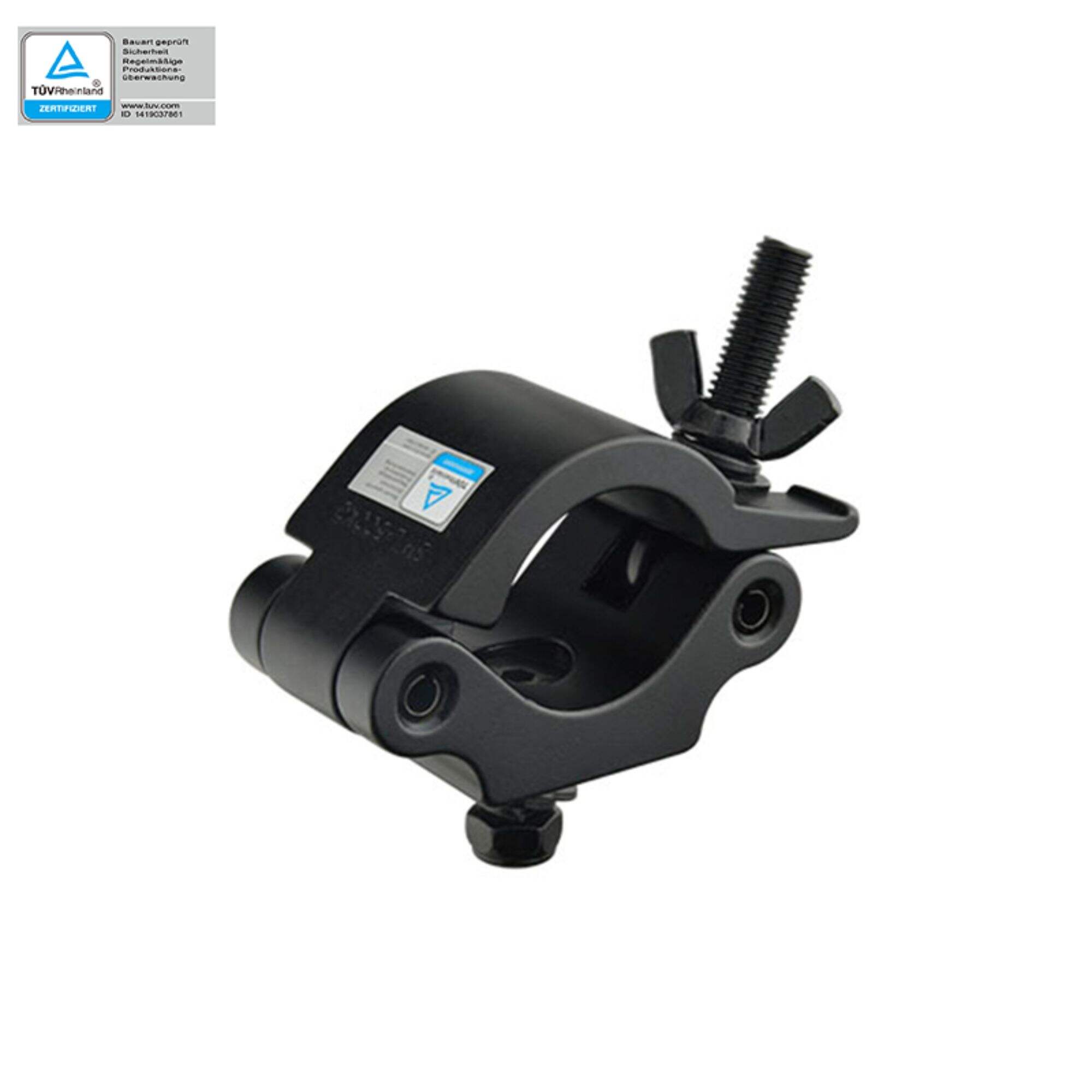
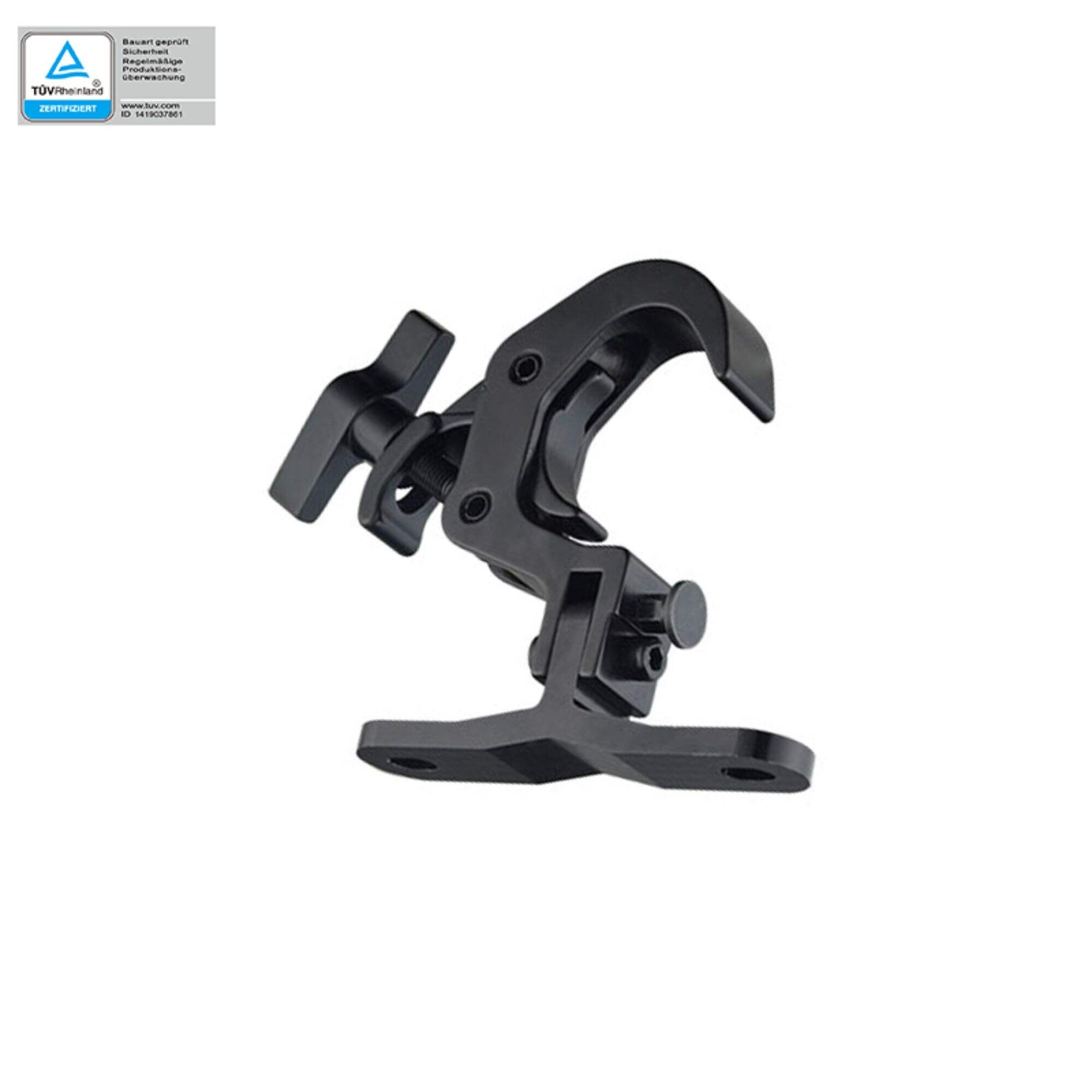
Truss connectors designed specifically for tough jobs come into play when building things like roofs or stages, handling all those weight distribution challenges that regular hardware just can't manage. Safety becomes a big deal here, especially at events where people gather on temporary platforms. Regulations get pretty strict in these situations, so getting it right matters a lot. Looking at real world examples shows how these special connectors actually work to reduce dangers from strong winds or sudden movements during performances. Event organizers and architects rely heavily on them now because they've seen what happens when corners are cut elsewhere. Whether something stands there forever or gets taken down after one night, these connectors keep everything standing firm no matter what Mother Nature throws at it.
Proper Alignment Techniques
Getting the alignment right matters a lot when it comes to making sure those truss connectors work as they should. When installing them, workers often rely on things like laser levels or plumb lines to get everything lined up properly. This attention to detail really cuts down on problems later on with the structure itself. Good alignment does more than just spread weight evenly across the system; it stops those annoying little deformations from happening too. Studies have shown something interesting here too about what happens when things aren't aligned correctly. Some research suggests misaligned components might actually lower how much weight the whole structure can handle by around 30 percent. So taking time to do proper alignment isn't just about following procedures strictly, it's basically essential if anyone wants their truss system to last long without falling apart unexpectedly.
Fastener Selection: Nails vs. Bolts vs. Adhesives
Picking the correct fasteners for truss systems matters a lot when it comes to keeping everything together properly. Looking at what each type offers shows where they excel and where they fall short. Nails are simple enough to install but just don't hold up as well compared to metal connectors or those special screw anchors. Bolts make really solid joints especially when dealing with heavy weights. Adhesives give things a clean appearance without visible hardware, though they tend to struggle under intense pressure situations. Most professionals will tell anyone working on these projects that matching fastener types to actual needs and weight requirements makes all the difference. The wrong choice here can weaken the whole structure over time, compromising safety and reducing how long the building lasts before needing repairs.
Avoiding Common Installation Errors
Knowing about those typical installation goofs like wrong torque settings or bad connectors really helps avoid headaches down the road. Most of these problems come from workers not getting enough training or just ignoring the guidelines altogether. When companies invest in good training sessions and actually follow those installation rules, they cut down on errors and keep truss systems safe and strong. Construction safety stats show something pretty alarming too - around one fifth of all structural failures happen because someone messed up during installation. That's why it pays off big time for contractors to focus on doing things right from day one and keep their teams educated through regular workshops and hands-on practice.
Material Considerations: Steel vs. Aluminum Connectors
Corrosion Resistance and Weight Tradeoffs
When looking at the differences between steel and aluminum truss connectors, weight and how well they resist rust really matter. Steel options are super strong and last forever, so they work great when something needs to hold serious weight. But there's a catch – steel weighs a lot more than aluminum does, which might not be what everyone wants depending on where they're installing things. Aluminum connectors weigh much less, but they just can't handle as much weight as steel ones. Some studies point out that special coatings or treatments applied to steel connectors actually make them stand up better against corrosion over time. This means structures using treated steel tend to stay intact longer, even in places where moisture or salt air could otherwise cause problems.
Choosing for Indoor vs. Outdoor Setups
Choosing the right material for truss connectors depends heavily on whether they'll be used indoors or outdoors, something that affects both how well they work and overall safety. When installed outside, materials need to handle things like rainwater soaking in, temperature swings from freezing nights to scorching days, plus whatever else Mother Nature throws at them. Steel tends to perform best in these situations because it's tough enough to take punishment without breaking down over time. Inside buildings though, looks matter more alongside wanting lighter components. Aluminum becomes a better choice here since it doesn't weigh as much and comes in finishes that match modern interior designs. We've seen plenty of instances where people saved money upfront by picking cheaper materials only to spend far more later fixing damage caused by corrosion or unexpected failures. Getting this decision right from the start saves headaches down the road and keeps everyone involved feeling confident about the structure's integrity.
Certifications (TUV, ISO 9001)
Getting certified by organizations like TUV or ISO 9001 really helps demonstrate how safe and reliable truss work actually is. What these certifications basically mean is that all those metal connectors and support systems meet internationally recognized safety requirements. Clients want to know their structures won't collapse, so when they see these marks on equipment specs, it gives them peace of mind. For contractors, sticking to these standards does more than just look good on paper. It actually protects them legally too. Industry stats back this up pretty well showing certified firms face far fewer lawsuits or accidents compared to non-certified competitors. That's why smart truss installers spend time and money getting certified early on. It builds trust with clients while keeping potential disasters at bay down the road.
Load Testing and Regular Inspections
Doing load tests and checking truss connectors on a regular basis helps catch problems before they turn into serious failures down the road. Most companies find that setting up inspection schedules every few months keeps things running smoothly over time. Some industry reports claim that keeping up with maintenance work cuts down structural problems by around 40 percent. That makes sense when we think about it since catching small cracks early prevents bigger headaches later. When businesses take the time to spot and fix these little issues consistently, they're doing more than just staying safe. They're actually making their structures last longer too, which saves money in the long run and avoids those unexpected breakdowns that nobody wants to deal with during busy seasons.
Adapting to Environmental Stress Factors
Making sure truss connectors can stand up to environmental stresses such as strong winds, heavy snow loads, and seismic activity really matters if we want to avoid structural problems down the road. When engineers work on truss system designs, they need to know what kind of weather and geological risks exist in the area where the structure will be built. This knowledge helps them make necessary changes to tackle whatever issues might come their way. Studies have shown time and again that buildings which take environmental factors into account during planning tend to last much longer while staying safer throughout their lifespan. For companies involved in construction projects across different climates, adapting designs specifically for local stressors means delivering dependable structures that actually work well in whatever harsh conditions they face.
Hot News
-
The Application Scenarios Of Lighting Hooks And Trusses
2023-12-14
-
Market Analysis Of Lighting Hooks And Trusses
2023-12-14
-
The Essence Of Lighting Hooks And Trusses
2023-12-14
-
An In-Depth Look At Lamp Hooks And Truss Products
2023-12-14
-
Light Hooks And Truss Products: A Niche But Vital Industry
2023-12-14